Welcome
Longing for fated mates, matcha, and Misery Business
If this week’s trends have a theme, it’s longing. From romantasy to performative reading to the return of 2012, they say a lot about what we’re craving: escape, identity, and hope.
To get real nerdy about it, in terms of developmental psychology, you could call it Sehnsucht. “Life longings (Sehnsucht) – defined as intense desires for ideal states of life that are remote or unattainable – reflect individuals’ search for happiness and meaning and their struggle to cope with losses and unrealizable wishes” (Journal of Research in Personality, 2009).
Not exactly uplifting. But there’s hope in that “search for happiness and meaning” bit. As therapists, what are we if not in the business of hope?
With care,
Enid
This week 🗓️
📚 The Throbbing Desire of Romantasy: Dragons, MMCs, and Collective Escapism

🧩 What’s happening
The list of 2025’s literary hits tell one story. Romantasy—a fusion of romance and fantasy featuring magical worlds, slow-burn longing, and high-stakes emotional arcs—has scooped the audiobook charts and even made a dent in more “literary” lists. Readers flock to morally gray characters, magical powers, and in some cases mind-bending world-building. Trigger warnings abound. The genre’s rise reflects a cultural appetite for escape, empowerment, and mythic love in an increasingly un-romantic world.
💬 Why it matters for therapists
Romantasy offers yearning, agency, and transformation. It’s all fun and assassin heroines until we look at how men written by women and bookish lust can mask (and fuel) displeasure in real life.
🪞 How it may show up in the room
Clients comparing real partners to fantasy archetypes.
Escapism masking unmet relational or attachment needs.
Creative inspiration fueling self-exploration.
🛋️ What therapists can do
Explore what themes resonate and why.
Help differentiate fantasy fulfillment from relational reality.
·Use narrative motifs to understand desire, fear, and self.
🔗 Go deeper
“Romantasy is Everywhere” — Veritas Knox on Medium, May 2025
“Faeries, Dragons, and Steamy Sex Scenes” — CNN, Feb 2025
💡 The bottom line
Tropes, immortality, and magical powers can reveal desires that feel unattainable or taboo in real life.
📖 The New Yorker Takes the “Performative Man” Up a Notch
🧩 What’s happening
A recent New Yorker opinion piece highlights the rise of “performative reading”—publicly displaying intellectualism through curated book stacks, subway posing, or TikTok “reading aesthetics.” While I’d argue this isn’t new, it does piggy-back on a more novel label trending this year. Enter the “performative male” discourse, in which men telegraph depth or sensitivity via carefully-staged habits. Matcha anyone?
💬 Why it matters for therapists
Performance can be a defense for insecurity—an identity built for external consumption more than internal coherence. Therapy is the perfect space to explore the blurry lines between perception, self, and desires.
🪞 How it may show up in the room
Clients struggling between authenticity and the desire to appear impressive.
Anxiety about being perceived as the “right” or “wrong” thing.
Shame or disappointment when a performance fails to create real intimacy.
🛋️ What therapists can do
Without shaming or attacking, explore the function of performative behaviors.
Encourage curiosity about genuine interests.
Support clients in tolerating imperfection and vulnerability.
🔗 Go deeper
“The Curious Notoriety of Performative Reading” — The New Yorker, Dec 2025
[🤓 Research study] “The Cost of Impression Management to Life Satisfaction: Sense of Control and Loneliness as Mediators” — Psychology Research and Behavior Management, Apr 2020
💡 The bottom line
The internet invites, amplifies, and then ridicules performative actions. In therapy, we get to be remove the judgement and mine the performance for meaning instead.
🥸 “2012 Era” is Trending: Gen Z Jealous of Millennial Optimism
🧩 What’s happening
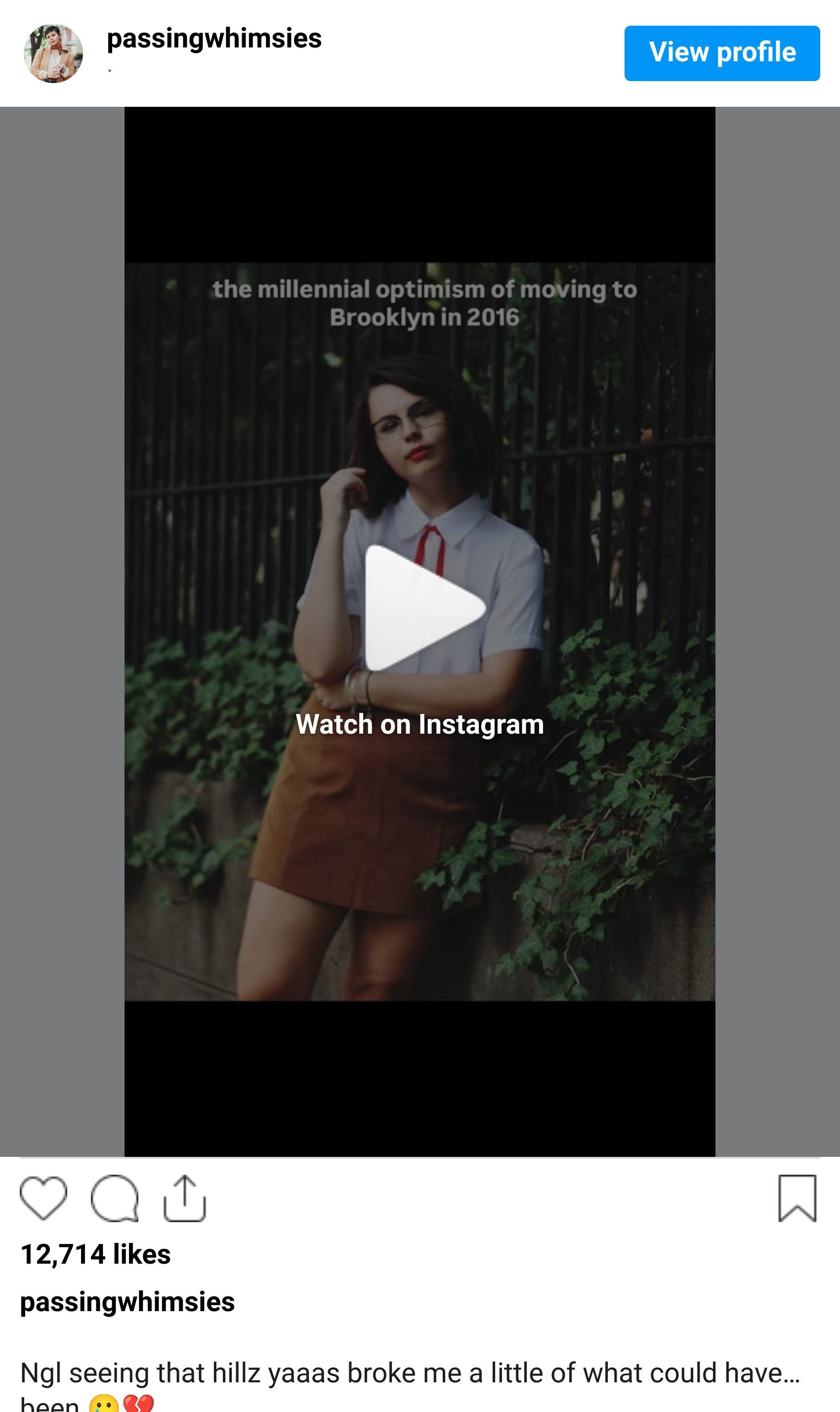
In a rare moment when Gen Z and Millennials appreciate the same thing, a wave of nostalgia is sweeping social media centered on the “2012 era” and “Millennial Optimism.” Think: early days of Instagram, Barack Obama as president, hipster coffee culture is burgeoning, everyone’s learning the Napoleon Dynamite dance, and recession pop is playing in the club. Suddenly what was “cringe” is being idolized; Gen Z is jealous and Millennials are enjoying memory lane.
💬 Why it matters for therapists
Underneath the grainy videos and One Direction songs, there’s a sense of nostalgia for more analog times and grief that we can’t un-ring the bell of a hyper-digitized society. Circa 2012, there was a sense of hope, excitement, and awe for the decentralization of power that social media offered (read this article from 2011 on the “Twitter Revolution”). What we’re seeing now is, increasingly, a sense of hopelessness instead.
🪞 How it may show up in the room
Disillusionment with the “brighter future” that maybe never came.
A new appreciation for what used to be.
Fatigue and hopelessness from chronic exposure to “bad news” stories now.
🛋️ What therapists can do
Work with ambivalence—holding both grief for a lost past and agency in shaping the future.
Connect longing for the past to unmet needs in the present.
Reintroduce hope through small, achievable, future-oriented steps.
🔗 Go deeper
“Gen Z is Jealous of Millennial Optimism” — Fast Company, Dec 2025
“The Children Yearn for 2012” — Scroll Deep on Youtube, Dec 2025
💡 The bottom line
The 2012 revival isn’t about skinny jeans or teal Tumblr filters—it’s about longing for hope. This trend shows a collective grief for the loss of a cultural mood where possibility felt accessible.
✌️ Next week is the last Nexa of the year!
The newsletter is taking a break on Dec 25 and Jan 1. It’ll be back in your inboxes in the new year.
Please help me continue to grow Nexa by sharing with a colleague or friend!